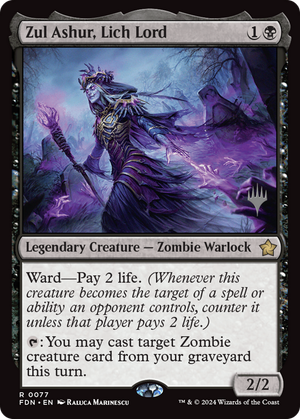
Zul Ashur, Lich Lord


Zombie recursion has historically lived on cards that either loop cheaply and slowly (Gravecrawler paying its own way back) or empty the graveyard in one dramatic swing (Living Death, Balthor the Defiled). A repeatable, once-per-turn valve stapled to a small self-defending body is a different structural offer. The key is what the tap ability grants: not a return to the battlefield or to hand, but permission to cast the Zombie from the graveyard this turn. You still pay its full mana cost, it still goes on the stack, and it still enters with summoning sickness like any other creature you hard-cast. That is not a shortcut. It is a second copy of a spell you already spent, and the design leans into that honesty: the recurred Zombie fires its cast triggers, can be countered, and interacts with the stack as a real spell rather than a reanimation cheat that dodges those checks. What the engine actually rewards is graveyard density, a yard stocked with Zombies worth paying for twice, not a single fragile bomb to loop. The ward for two life is what lets a two-mana engine survive: opponents can still answer it, but every attempt bleeds them, and repeated attempts compound. The ceiling scales with how deep the Zombie count runs and how much mana you have to convert those graveyard cards back into board presence, one per turn.
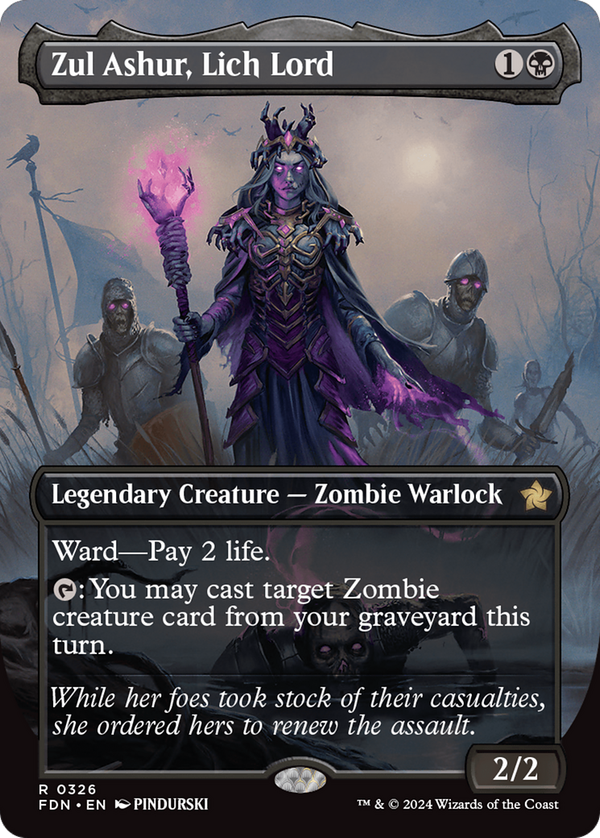
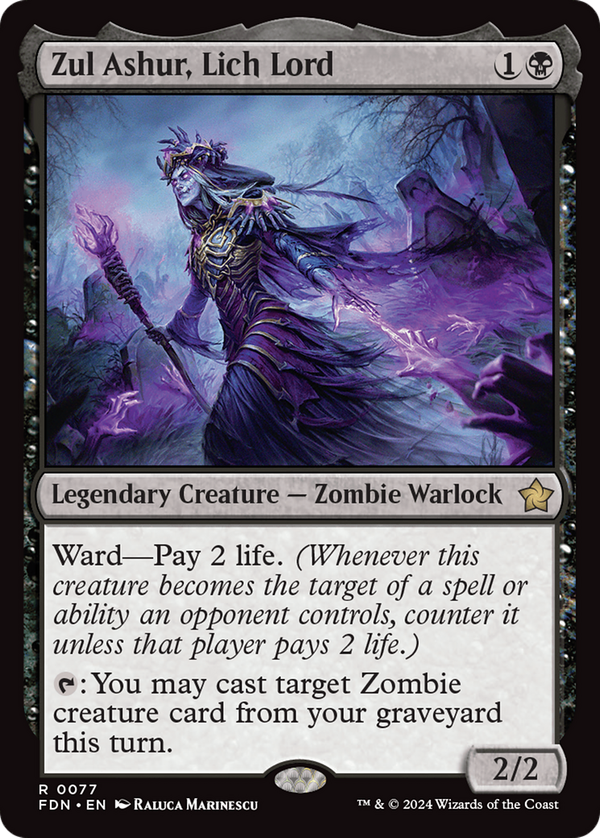
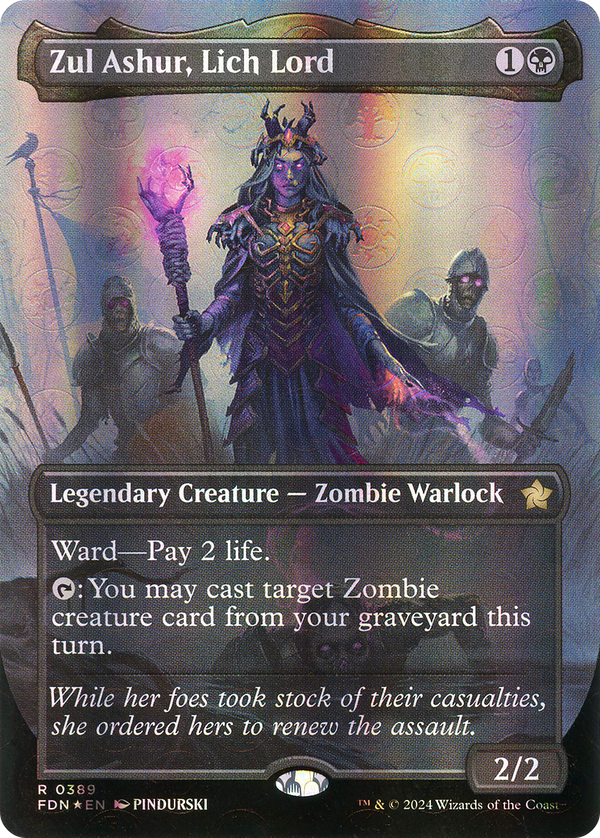
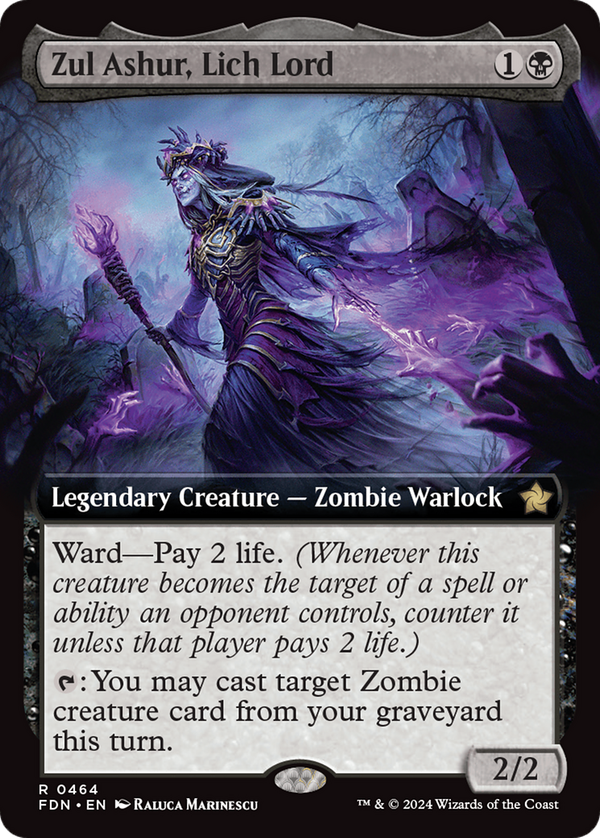
Rules text
 : You may cast target Zombie creature card from your graveyard this turn.