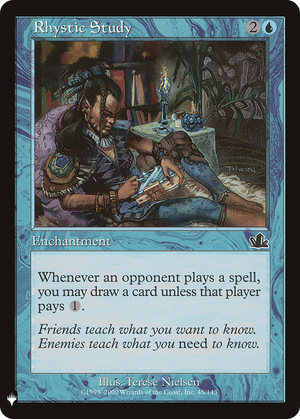
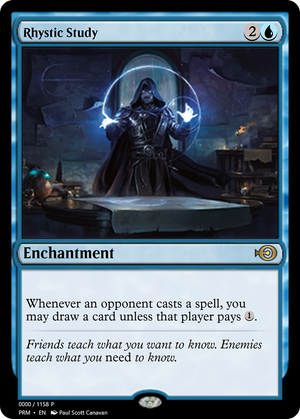
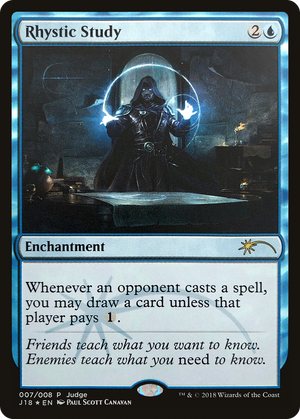
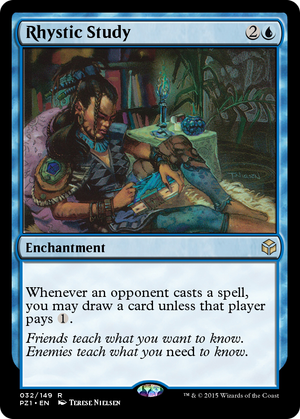
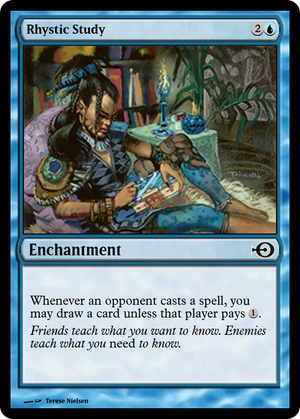
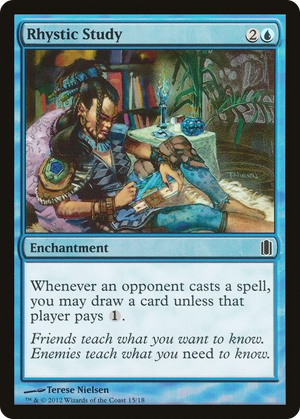
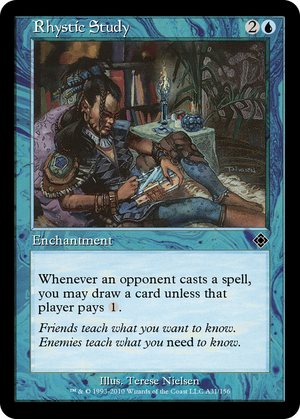
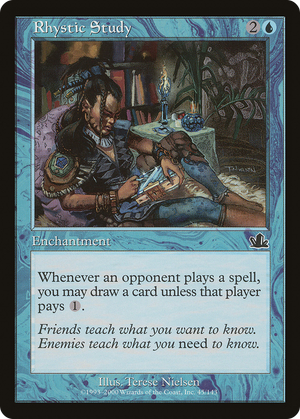
Rhystic Study


The genius of this design is that it never says "no." It taxes, and the tax is psychological as much as it is mechanical. Every spell an opponent casts becomes a fork: pay the one mana and feel the slow drip of a thousand small concessions, or decline and hand over a card. Neither choice is catastrophic on its own, which is exactly why the card is so insidious. The damage is cumulative, distributed across an entire game, paid in increments that never feel large enough to fight over until the controller has buried the table in cards. The asymmetry is the quiet engine here: the trigger fires only when an opponent casts a spell, so the controller pays nothing for their own development while everyone else funds the toll. What it really sells is information and tempo control disguised as a soft Phyrexian Arena. Opponents start sandbagging spells, holding rituals, sequencing around a one-mana toll they begin to resent. The effect of watching someone agonize over whether to pay for a cantrip is the table's first real lesson in how a resource asymmetry compounds. Few enchantments have generated as much groaning at a table while doing so little on any single turn; the card is a referendum on patience, and patience usually wins.
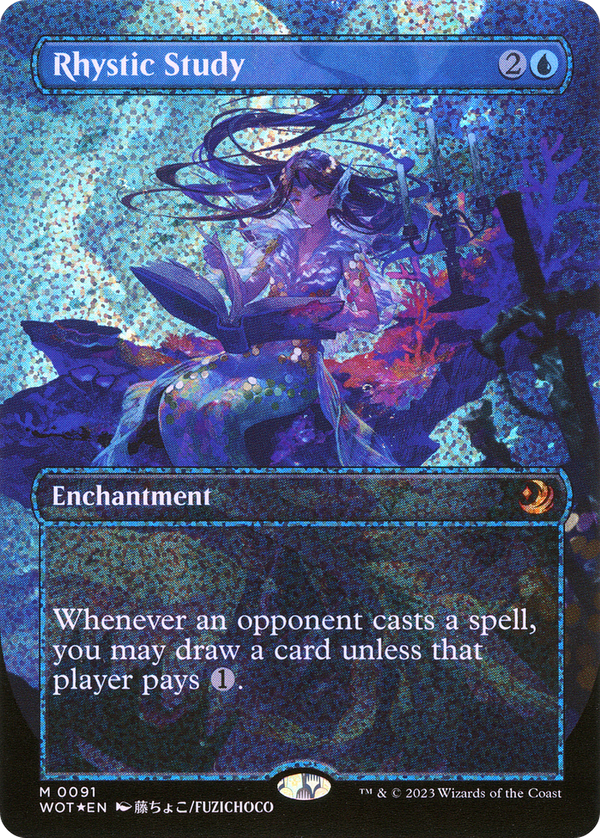
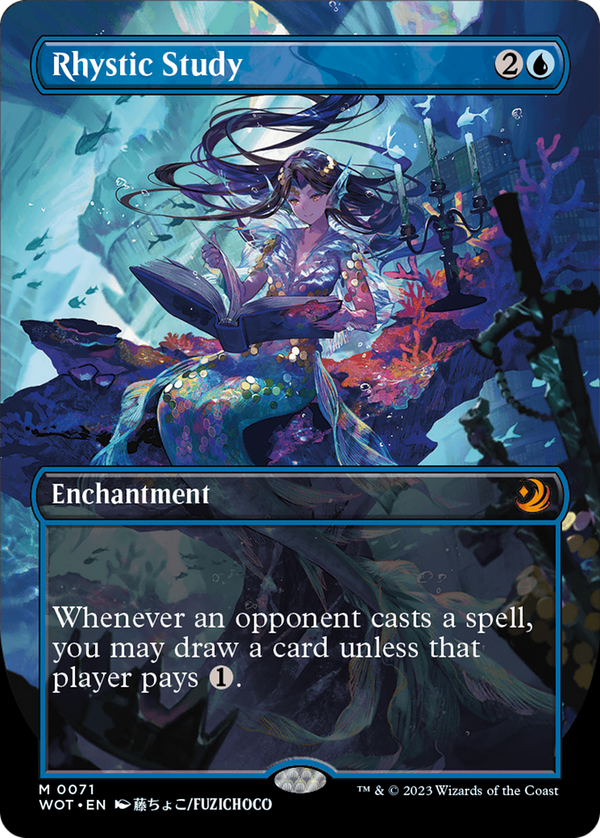
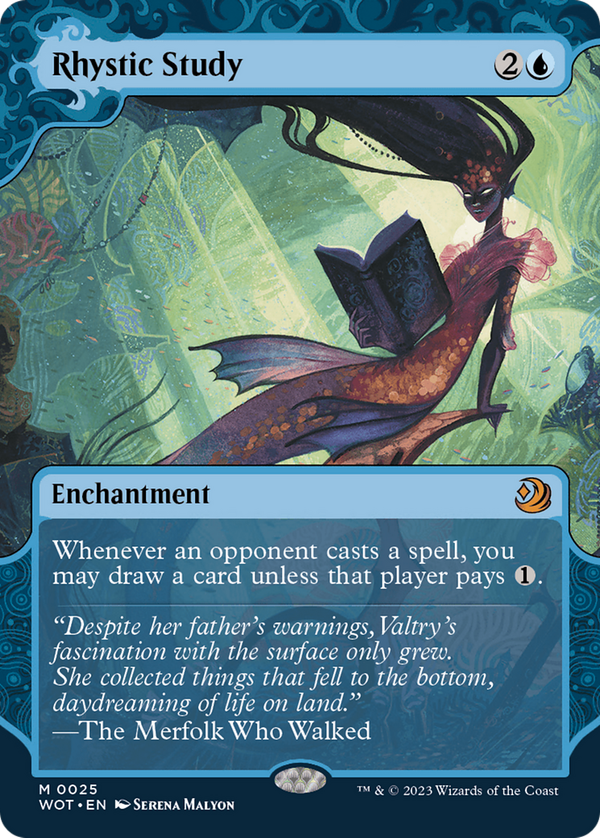
Rules text
 .
.Format Status
More formatsFewer formats
Other printings
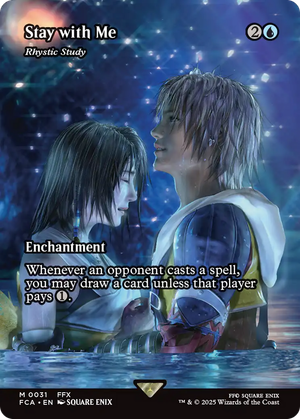
- Final Fantasy: Through the Ages#31
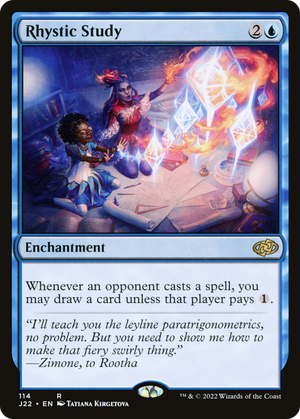
- Jumpstart 2022#114
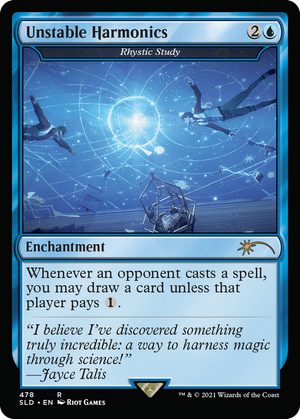
- Secret Lair Drop#478
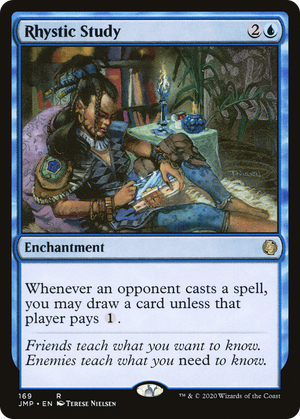
- Jumpstart#169
- The List#PCY-45
- Magic Online Promos#69943
- Judge Gift Cards 2018#7
- Legendary Cube Prize Pack#32