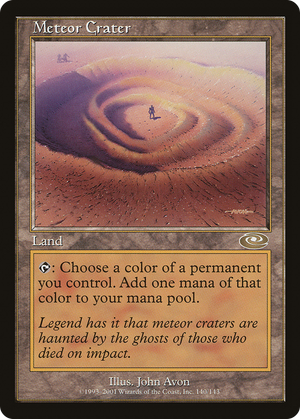
Meteor Crater
The flexibility here scales backwards from how most fixing works: it reads your board before it reads your hand, and it can only ever produce a color you are already making with a colored permanent. That is a sharper constraint than it looks, because lands are colorless. A board of nothing but Plains gives this nothing to copy; with no colored permanent in play it taps for no mana at all, a dead land in an empty or color-light start. The payoff arrives only once a developed, multicolor permanent base is on the table, at which point it quietly fixes for whatever you have built toward. The design slots into an early-era period when colored mana from colorless lands was still being priced cautiously, and the answer here was to gate the flexibility behind permanents you control rather than behind a life payment, a sacrifice, or a sorcery-speed tap restriction. The trade is unusual: most fixing costs you something at the moment you use it, while this one costs you the early turns, when fixing matters most, and asks to be paid back later from a wide board. Few lands punish a slow or color-shy opening this precisely, and few reward a sprawling permanent base so passively. It is a fixing land that wants to be drawn late, into a deck already running, which is close to the opposite of what a fixing land is usually for.
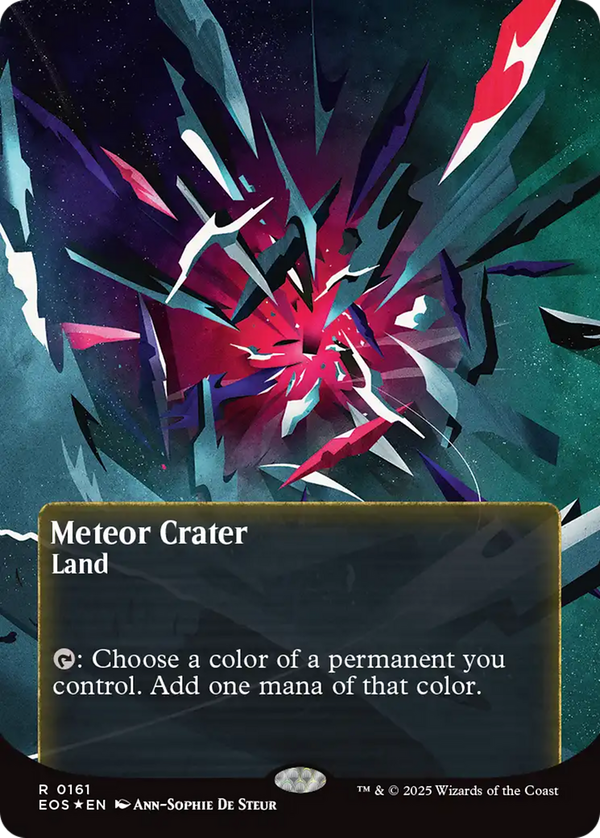
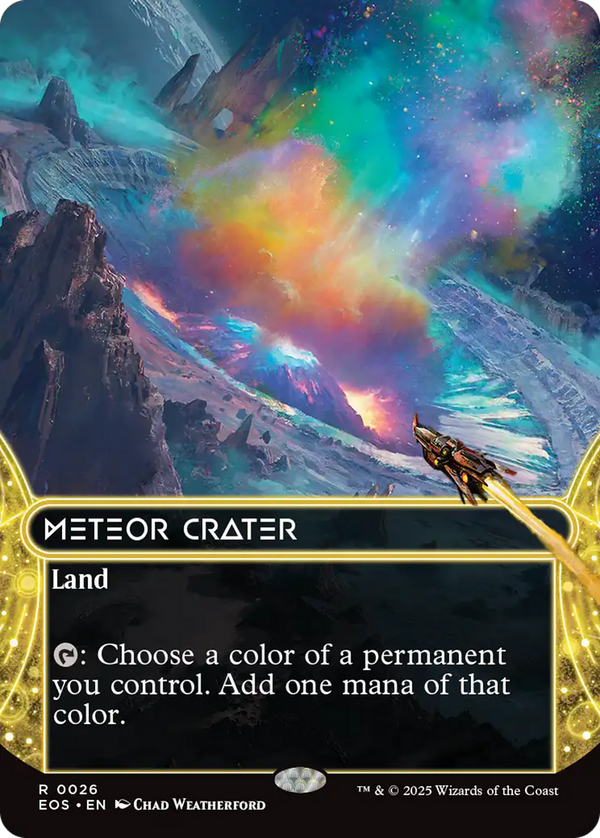
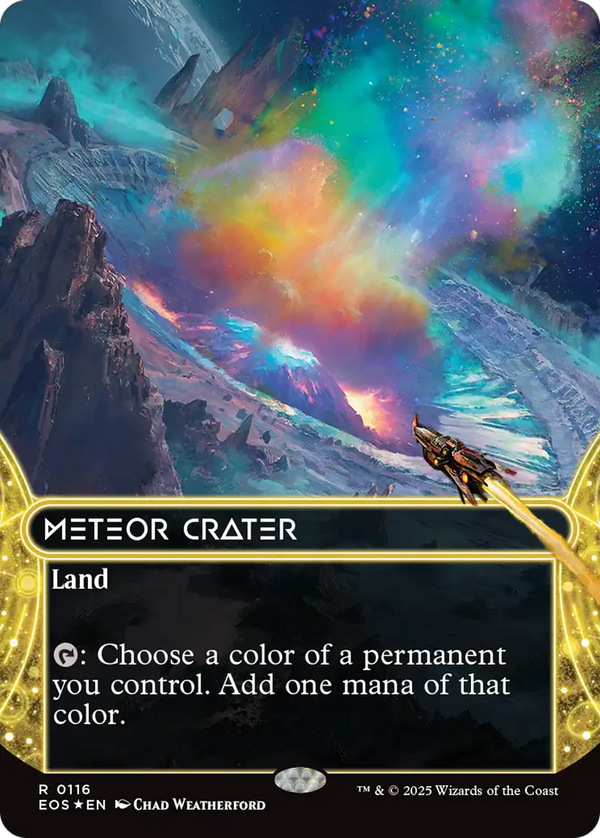
Rules text
 : Choose a color of a permanent you control. Add one mana of that color.