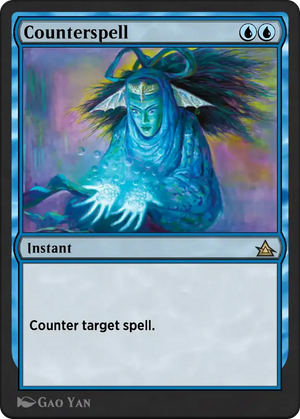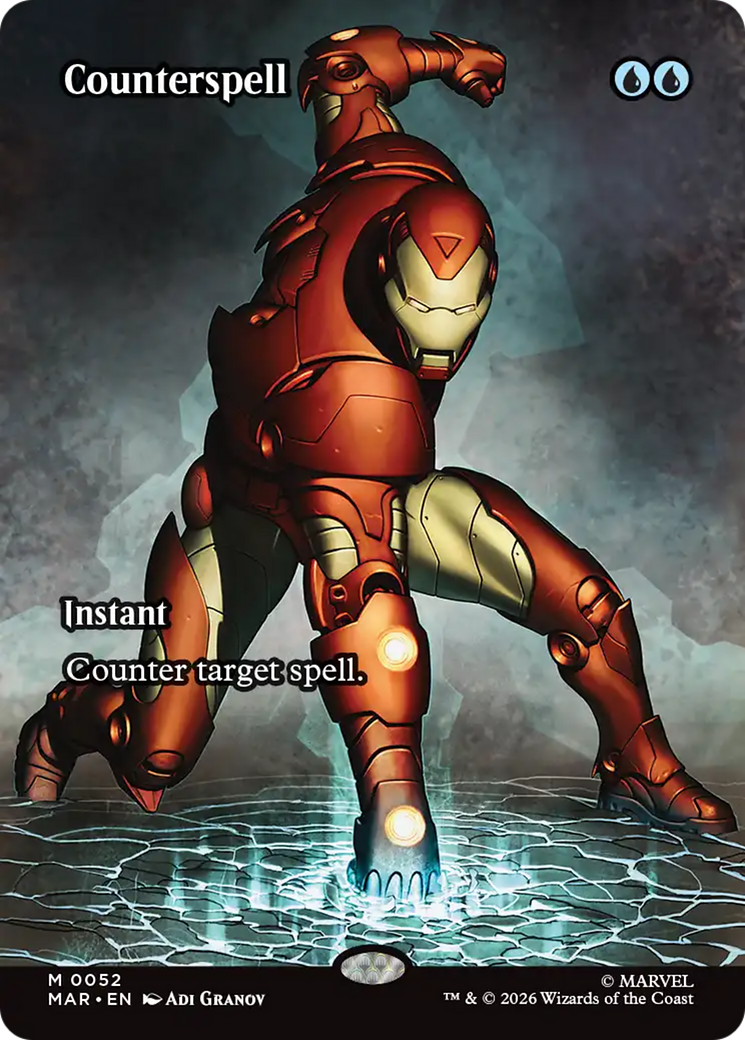
Counterspells are the most polarizing card type in Magic. New players hate playing against them; experienced players hate playing without them. Understanding why is to understand a fundamental truth about the game.
The illusion of passivity
A control deck looks like it's doing nothing. It plays lands. It holds open mana. The opponent develops their board, casts threats, and the control player just sits there. To the casual eye, this looks like inaction.
It isn't. The control player is making a continuous series of decisions about what to counter and what to let through. Every card the opponent casts is a question: is this worth my answer? The wrong "yes" loses the game later. The wrong "no" loses it now.
Why this is hard
Counterspell decisions require three layered skills:
- Reading the opponent's deck. What's the most threatening card you haven't seen yet?
- Counting mana. Can they bait out your counter and play the real threat next turn?
- Tracking time. Are you the beatdown now, or still the control deck?
Most threat decks play their own hand. Control decks play their opponent's hand.
The skill ceiling
Aggressive decks have a high floor, even a moderate pilot can win when the opponent stumbles. Control decks have a high ceiling. The same Esper list in two pilots' hands plays out completely differently. That asymmetry is why counterspells endure as a love-it-or-hate-it card type: they reward patience and pattern-recognition, and they punish opponents who can't yet evaluate which of their threats actually matters.